Make Your Home Work Smarter
Energy efficiency begins with understanding how heat, air and electricity move through a property. A home may have a modern boiler or efficient appliances, but poor insulation, draughts and outdated controls can still lead to unnecessary consumption.
The most effective improvements often work together. Better insulation reduces heating demand, efficient systems provide warmth more economically, and smart controls help prevent energy from being used when it is not needed. Examining the whole property usually produces better results than replacing individual products without a wider plan.
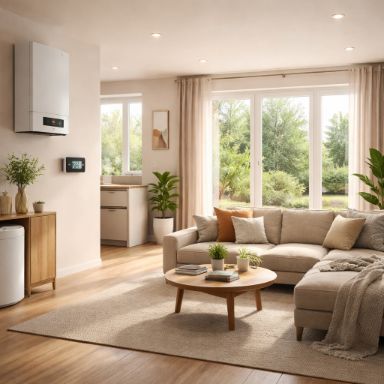
Improve Insulation and Reduce Heat Loss
Insulation helps a home retain heat during colder months and stay cooler when outdoor temperatures rise. Roofs, lofts, walls, floors, windows and doors can all contribute to heat loss, although the most suitable improvements depend on the property’s age and construction. Simple measures such as sealing draughts may provide immediate benefits, while loft, cavity wall or solid wall insulation can require more planning. Guides to different insulation materials can help homeowners compare performance, installation requirements, moisture risks and long-term maintenance before deciding what suits their property.
Compare Heating and Cooling Systems
Heating and cooling systems vary considerably in cost, efficiency and environmental impact. Gas boilers, electric heaters, heat pumps, district heating and hybrid systems each have different requirements and may not suit every home. A heat pump, for example, often performs best in a well-insulated property with correctly sized radiators or underfloor heating. Comparing systems should involve more than the purchase price. Running costs, installation work, available space, local climate, maintenance needs and the home’s existing energy performance should all be considered before replacing major equipment.
Use Smart Controls Without Overcomplicating Daily Life
Smart thermostats, radiator valves, energy monitors and automated lighting can give households more control over when and where energy is used. These devices can identify patterns, reduce heating in unused rooms and help prevent appliances from running unnecessarily. However, smart technology is most useful when it supports clear routines rather than creating additional complexity. Settings should be easy for everyone in the household to understand. Privacy, compatibility, internet dependence and future software support are also important factors when selecting connected home energy products.
Plan Home Improvements in the Right Order
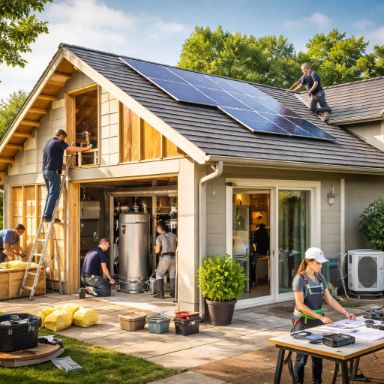
A home retrofit can range from a few low-cost repairs to a major renovation involving insulation, heating, ventilation and renewable energy. Carrying out work in the wrong order may create avoidable expense. Installing a new heating system before reducing heat loss, for instance, could result in equipment that is larger or more expensive than the improved property eventually requires.
A practical retrofit plan should usually consider:
- The condition of the roof, walls, floors, windows and doors
- Existing insulation levels and common draught points
- Damp, condensation and ventilation problems
- Current heating and hot water performance
- Household energy use throughout the year
- Available budget and likely maintenance costs
- Whether planned work could qualify for financial support
- How improvements may affect comfort and indoor air quality
Once these areas have been reviewed, projects can be divided into immediate repairs, short-term efficiency measures and larger long-term upgrades. Professional assessments may be worthwhile before structural insulation, electrical work or major heating changes. A staged plan also makes it easier to manage disruption, compare quotes and avoid purchasing systems that may become unsuitable after later improvements.
Understand Cleaner Energy and Healthy Home Performance
Reducing household emissions is not only about replacing fossil fuels. The amount of energy a home requires is equally important. A property that wastes less heat may need a smaller renewable energy system, lowering both installation costs and long-term consumption.
Environmental improvements should also protect the people living inside the home. Changes to insulation, airtightness and heating can affect humidity, ventilation and air quality. A successful project should therefore balance energy savings with moisture control, fresh air and safe indoor temperatures.

Consider Renewable Energy in Context
Solar panels, solar water heating, battery storage and heat pumps can reduce reliance on conventional energy sources, but their performance depends on the property and household. Roof orientation, shading, available outdoor space, electricity use and local weather conditions can influence the value of an installation. Battery storage may help households use more of the electricity they generate, although costs and expected lifespan should be examined carefully. Before investing, homeowners should compare realistic output estimates, warranties, maintenance arrangements and how the system may interact with future energy tariffs.
Protect Indoor Air Quality
Making a property more airtight can reduce heat loss, but ventilation must still remove moisture, cooking fumes, pollutants and stale air. Inadequate airflow can contribute to condensation, mould and uncomfortable living conditions. Extractor fans, window vents and mechanical ventilation systems all have a role, depending on the property. Indoor air quality can also be affected by cleaning products, building materials, open fires and poorly maintained appliances. Energy improvements should never block essential vents or reduce airflow without a suitable ventilation strategy being put in place.
Build Sustainable Maintenance Into Every Season
Regular maintenance helps energy systems work safely and efficiently. Heating equipment should be serviced as recommended, filters should be cleaned or replaced, and radiators may need balancing or bleeding. Gutters, roof coverings and external walls should also be inspected because water damage can reduce insulation performance and create damp problems. Seasonal checks allow smaller faults to be identified before they become expensive repairs. They also help households adjust heating schedules, shading, ventilation and appliance use as temperatures and daylight levels change throughout the year.
Measure Costs, Support and Wider Impact
Energy improvements can involve significant upfront costs, so financial decisions should be based on realistic expectations rather than headline savings. Installation quality, energy prices, household behaviour and future maintenance can all influence whether an upgrade delivers the expected return.
Some changes offer financial savings quickly, while others are mainly chosen for comfort, resilience or lower environmental impact. Comparing several benefits provides a more balanced view than relying only on a simple payback period.

Check Grants and Incentives Carefully
Government grants, local authority programmes, low-interest loans and supplier schemes may help cover the cost of insulation, heating upgrades or renewable energy. Eligibility can depend on location, income, property type, existing systems and the specific installer used. Programmes may also change, close or receive limited funding. Households should confirm the latest conditions through official sources before agreeing to work. It is equally important to check whether an installer holds any required certification and whether accepting support creates future obligations or restrictions.
Understand Your Household Carbon Footprint
A carbon footprint calculator can provide an estimate of emissions linked to heating, electricity, transport and consumption. The result is not a perfect measurement, but it can reveal which activities have the greatest impact. For many households, space heating and hot water are major contributors, making insulation and heating efficiency important areas for action. Calculators are most useful when the same method is used over time. This allows households to compare progress after making improvements or changing everyday routines.
Learn From Community Energy Projects
Communities around the world are developing shared solar installations, district heating networks, local energy cooperatives and neighbourhood retrofit programmes. These projects can make clean energy more accessible to people who cannot install their own systems. They may also create opportunities for shared funding, local employment and coordinated home improvements. Community schemes still require clear governance, transparent costs and fair participation rules. Studying how different projects are organised can help residents understand both the possibilities and the practical challenges of collective energy action.
A More Comfortable Home Begins With Informed Choices
Energy efficiency is not achieved through a single product or renovation. It develops through a series of decisions about insulation, heating, ventilation, controls and maintenance. The right priorities will vary between households, but the underlying goal remains the same: reduce unnecessary energy use without compromising safety or comfort.
Start With the Problems You Can See
Cold rooms, high bills, draughts, condensation and uneven heating are useful signs that a property needs attention. Recording these issues across different seasons can help identify patterns before money is spent. Small changes may solve some problems, while others require professional investigation. Beginning with the building’s condition and actual household needs makes it easier to avoid unsuitable upgrades. It also creates a clearer basis for comparing recommendations, quotations and expected results.
Keep Improving at a Realistic Pace
Not every home needs to be renovated at once. Draught repairs, heating adjustments and better energy habits can be introduced before larger work becomes affordable. Future projects can then be planned around maintenance schedules, available funding and changes in household needs. Keeping records of energy use, completed work and equipment warranties will support better decisions over time. A measured approach can reduce disruption while gradually creating a home that is warmer, healthier, more efficient and easier to manage.